

Women and entrepreneurial challenges
Women-owned and women-led businesses in sub-Saharan Africa are key drivers of economic growth but face significant challenges in accessing finance, formalizing operations, or expanding into larger markets. Despite high levels of female entrepreneurship, many businesses remain informal and struggle to secure funding, particularly in early stages. Limited access to investment, legal and regulatory barriers, and biases in lending further restrict their growth. Women entrepreneurs also face difficulties entering high-growth industries and have fewer opportunities for mentorship, networks, and market integration.
Female business owners in sub-Saharan Africa face systemic barriers that limit their ability to access funding, grow their businesses, and integrate into the economy.
Structural constraints, such as limited childcare, inadequate infrastructure, and unequal education, restrict their opportunities.
Legal inequalities prevent women from owning assets, signing contracts, or registering businesses independently in several countries.
Traditional lending models, collateral requirements, limited financial history, and lenders biases make it harder for women to access capital.
Bias in the entrepreneurial ecosystem, seen in investment decisions, financial institutions, and technical assistance—further limits opportunities.
Gendered expectations affect women’s self-confidence, risk-taking, and negotiation skills, reducing their engagement with investors and business networks.
- Many female entrepreneurs, particularly in male-dominated sectors, experience gender-based violence and harassment within the ecosystem, creating a hostile business environment.
Promoting women’s economic empowerment and closing gender gaps in entrepreneurship are fundamental to achieving the 2030 Agenda for Sustainable Development. Women’s full participation in business is directly linked to SDG 5 (gender equality), but also SDG 8 (decent work and economic growth), SDG 1 (ending poverty), SDG 2 (food security), SDG 3 (ensuring health), and SDG 10 (reducing inequalities).
Strengthening women-led businesses drives economic growth, boosts productivity, and reduces income disparities. Women entrepreneurs reinvest in families and communities, improving health, education, and resilience. Expanding their access to markets and finance enhances food security and economic stability, particularly in climate-vulnerable regions. They also boost GDP, financial stability, and inclusive employment by hiring more women and investing in workforce training.
The IYBA-SEED Gender Strategy
To address these challenges, IYBA-SEED applies a systemic approach that considers the role of institutions, laws, bias and behaviours and sociocultural factors affecting women entrepreneurs. This ensures that gender considerations are integrated across all project activities rather than treated as stand-alone interventions. The strategy is guided by a Theory of Change and a Gender Toolkit focusing on transforming entrepreneurial ecosystems to be more inclusive at a local level. This means promoting gender-responsive policies, increasing women’s access to finance, skills, and leadership opportunities, and addressing structural and behavioural barriers that hinder their success.
A key element of this strategy is ensuring locally relevant practices, allowing country teams to tailor interventions to each country's unique economic, social, and cultural context. How the Gender Strategy is implemented:
Gender-sensitive policies and public-private dialogues shape a more inclusive entrepreneurial environment.
Training strengthens financial literacy, leadership, and digital skills among women entrepreneurs.
Financial instruments incorporate gender-sensitive metrics and alternative risk models to expand women’s access to capital.
Gender-disaggregated indicators measure impact and inform continuous improvement.
By embedding a systemic approach, Theories of Change, gender-sensitive and transformative interventions (where needed), and IYBA-SEED ensures that entrepreneurial ecosystems actively remove barriers, promote equitable opportunities, and drive sustainable economic growth for women.


THE LIVING TAPESTRY: a new animated short film celebrates the Women shaping Africa's entrepreneurial future
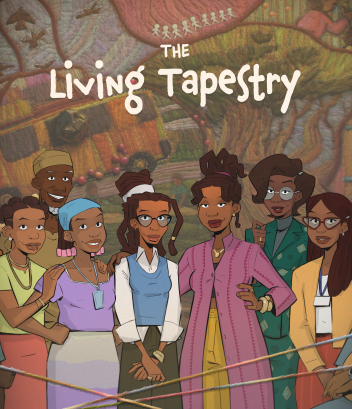 Triggerfish Animation Studio, Goon Valley Animation Studio, and the European Union’s Team Europe Initiative – Investing in Young Businesses in Africa #TEIIYBA, are proud to announce the forthcoming release of The Living Tapestry, a pan-African animated short film with a social mission. The f...
KENYA - Biashara Pawa Awards celebrate women and youth entrepreneurs transforming underrepresented sectors
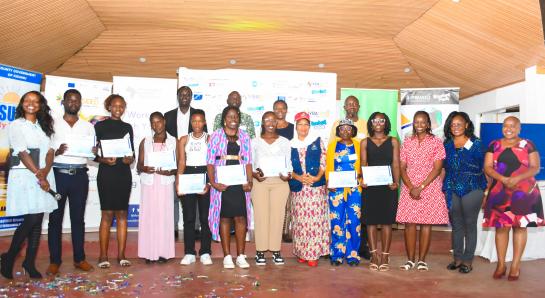 Celebrate entrepreneurial excellence, community impact, innovation, and leadership After months of dialogue, mentorship, networking, and learning, the Biashara Pawa Awards provided an opportunity to recognise the women and youth entrepreneurs who are redefining what is possible in sectors wher...
Demo Days 2026: from capacity building to market readiness for green industries in Africa
 From strengthening ESOs to preparing African green businesses for regional expansion Across Africa, green startups and SMEs are developing innovative solutions in renewable energy, sustainable agriculture, waste management, water, clean technologies and other emerging green sectors.
Benin-Togo Exchange Visit: Strengthening Regional Entrepreneurship Cooperation
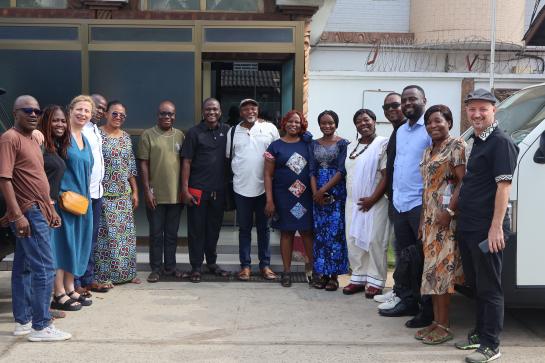 From May 18 to 22, 2026, the IYBA-SEED Benin and IYBA-SEED Togo teams invited a delegation of actors from Benin's entrepreneurial ecosystem to take part in an exchange visit between Kara and Lomé, Togo.


